

Histudy is a education website template. You can customize all.
Before any goat or sheep leaves our farms, it has to meet the health conditions of your destination. Livestock veterinary requirements protect your herd, your country and the animals themselves. We work with veterinarians to complete the examinations, testing and vaccination your country asks for, and we document everything so the health certificate can be issued without delay.
Request an Export Quote
A veterinarian examines each animal for signs of disease, injury or parasites, and confirms it is healthy enough to travel.
Blood or other tests for the diseases your country requires. These vary by destination and by species.
Required vaccinations and parasite treatments are given and recorded with dates and products.
Each animal is identified, for example with an ear tag, so the certificate matches the animals in the crate.
There is no single standard. Each country decides which diseases it wants to keep out, which tests count, and how long before shipment they must be done. Depending on the destination, testing may cover diseases such as brucellosis or bluetongue, along with other conditions specific to goats and sheep. Because of this, we start from your country's import conditions, not from a fixed checklist.
An official or accredited veterinarian in the USA or France examines, tests and certifies the animals, and the export authority endorses the certificate.
Your veterinary authority sets the conditions, issues the import permit and checks the animals and papers on arrival.
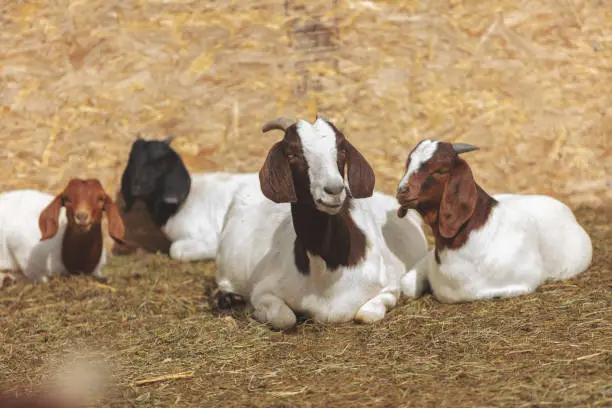
Veterinary checks are not only paperwork. An animal that is healthy, well-vaccinated and free of parasites copes better with transport and settles faster on your farm. That is why we sell health-tested stock with complete health records, and why we treat these requirements as part of the quality of what you buy.
That depends on your country and species. We start from your country's import conditions and tell you which tests apply.
Testing and certification costs are included in your quote, so you can see the full cost of the export before you decide.
Yes. If a result does not meet the conditions, that animal is not exported, and we replace it or re-test where appropriate.
Many countries ask for specific vaccinations, but not all. We confirm the requirements for your destination before preparing the animals.
Want to know your country's health conditions?
Send us your destination and we will outline them.
Request a Livestock Quote Contact Us