

Boer vs Kiko Goats: Which Meat Goat Is Right for You?
Boer and Kiko are the two most popular meat goat breeds, and choosing between them is a common question for new and experienced producers alike. This guide to Boer vs Kiko goats compares them on growth, hardiness, parasite resistance, kidding and feed needs, so you can see which suits your land, climate and goals.
Boer
South African meat breed. Heavily muscled, fast-growing, calm and widely known.
Kiko
New Zealand meat breed. Hardy, parasite resistant, strong mothers and low maintenance.
Boer vs Kiko at a Glance
| Trait | Boer | Kiko |
|---|---|---|
| Origin | South Africa | New Zealand, from feral goats |
| Main strength | Heavy muscling and fast growth | Hardiness and low maintenance |
| Build | Large, thick-bodied, white with a red or brown head | Athletic, leaner, usually white or cream |
| Growth | Very fast with good feed | Good, but usually slower under intensive feeding |
| Parasite resistance | Needs active worm management | Known for strong natural resistance |
| Kidding and mothering | Good mothers, kidding needs watching | Strong mothers, kids easily with little help |
| Feed and forage | Performs best on good nutrition | Thrives on pasture and browse, with lower inputs |
| Best for | Intensive meat production and the show ring | Pasture-based, low-input herds |
Which Should You Choose?
Choose Boer if
You can feed well, want fast growth and heavy carcasses, plan to sell animals by weight or want to show. Boers reward good management.
See Boer goats →Choose Kiko if
You rely mostly on pasture or browse, want low input and strong parasite resistance, or live in a warm, humid or demanding climate.
See Kiko goats →Parasite Resistance: Why It Matters
Internal parasites, especially the barber pole worm, are one of the biggest costs in meat goat production, particularly in warm, wet regions. Kikos were selected for survival, so they tend to cope better with worms and need less deworming. That can save money and reduce the risk of drug resistance. Boers can do well too, but they usually need closer monitoring, fecal egg counts and a solid pasture plan.
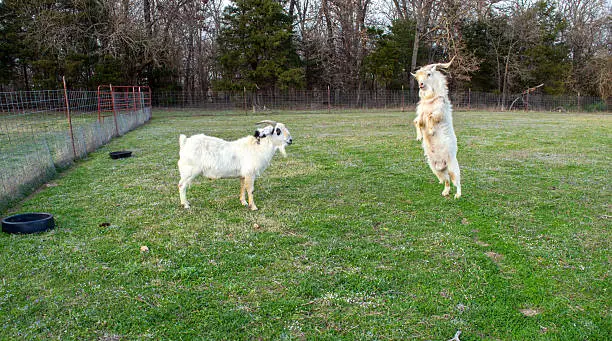
The Boer-Kiko Cross
Many producers cross the two breeds, aiming to combine Kiko hardiness and mothering with Boer growth and muscling. Crossbred kids often show hybrid vigor, and the cross can be a practical commercial option. If you plan to breed registered purebreds, though, keep the breeds separate. Ask us which approach fits your goals.
Other Meat Goat Options
If you live somewhere very hot, also look at Savanna goats, a heat-tolerant South African breed. You can compare all of our meat goats in one place.
Boer vs Kiko: Questions
Which grows faster, Boer or Kiko?
Boers generally grow faster and carry more muscle when well fed. Kikos grow well on forage but are usually slower under intensive feeding.
Which is easier for a beginner?
Kikos are often easier because they are hardy, parasite resistant and kid with little help. See our best goat breeds for beginners.
Can I raise Boers and Kikos together?
Yes, they can share a pasture, and many people do. Just plan your breeding so you know which kids are purebred and which are crosses.
Do you export Boer and Kiko goats?
Yes, to many countries. See our export markets.
Want help choosing between Boer and Kiko?
Tell us your climate, pasture and goals.
Request a Livestock Quote Contact Us
0 Comments