

Histudy is a education website template. You can customize all.
Live animal sea transport is the economical way to move larger groups of goats and sheep, especially for commercial herds and flocks. Animals travel on livestock vessels or ferries that are set up for ventilation, feed, water and care at sea. We plan the route, the booking, the animal care and the paperwork from the farm to the arrival port.
Request a Sea Freight QuoteSea freight makes the most sense when you are importing many animals at once. The cost per animal falls as the group gets larger, which is why commercial farms, importers and breeding programs often choose it. It is also a natural fit for short Mediterranean crossings, such as shipments from France to North Africa. For small groups or very valuable breeding stock, air transport is usually the better choice.
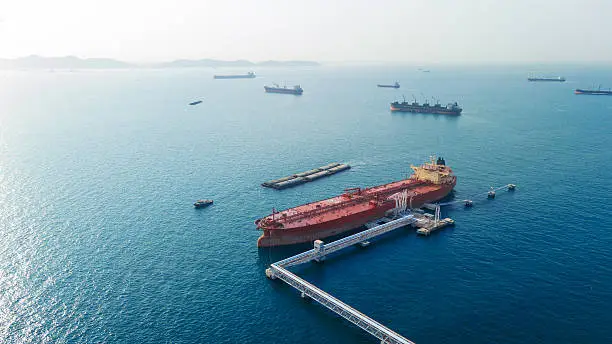
Ships built or approved to carry live animals, with ventilation, pens, and feed and water systems. Used for larger groups and longer routes.
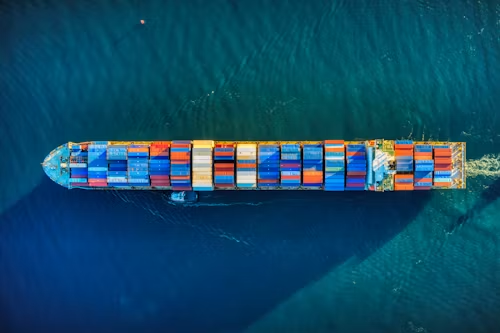
Roll-on roll-off ferries carry livestock trucks across shorter routes, such as the Mediterranean, without unloading the animals on the way.

Loading and unloading are the most sensitive moments of a sea shipment. Calm handling, suitable ramps and a well-planned schedule reduce stress and injury risk. We confirm the departure and arrival ports with you during the quote, and coordinate with port agents so your animals are received and cleared properly.
Yes, when it is planned properly with suitable vessels, enough feed and water, good ventilation and trained handlers. Poor planning is the real risk, which is why we handle it carefully.
It depends on the route. Short crossings take much less time than long ocean voyages. We give you the expected journey time in your quote.
Sea freight works best for larger groups. For small numbers, air freight is usually more practical. Tell us your quantity and we will advise.
Yes. We coordinate health certificates, transport records and the documents the ports require, and work with your importer on the arrival side.
Shipping a larger group by sea?
Send us your breed, quantity and destination port.
Request a Sea Freight Quote Contact Us